

Understanding the psychology behind gambling Why we take risks in casinos
The Allure of Risk and Reward
The thrill of gambling often hinges on the appeal of risk and reward. This phenomenon is deeply rooted in human psychology, where the potential for a big win can trigger excitement and adrenaline. For many players, the possibility of winning a jackpot becomes an overwhelming motivator. In fact, the brain releases dopamine, a feel-good neurotransmitter, during moments of risk-taking, creating a rewarding sensation that encourages individuals to seek out rainbet-canada.co/ these experiences repeatedly.
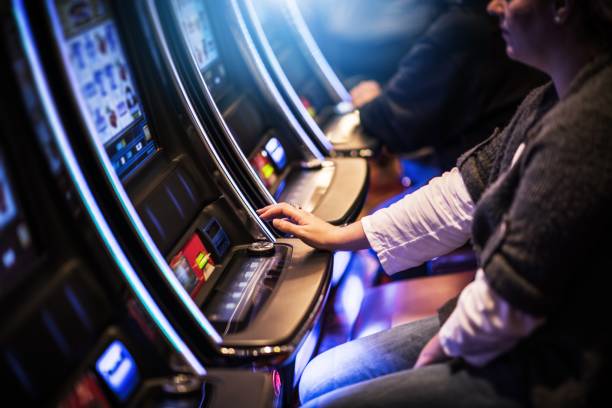
This interplay of risk and reward is not just about financial gain; it taps into the deeper psychological need for excitement and challenge. Casinos are designed to enhance this experience, featuring vibrant lights, sounds, and the buzz of excitement. Such an environment reinforces the thrill, making players feel as though they are part of a unique and exhilarating journey, which can be hard to resist.
Moreover, individuals often underestimate the odds against them. The illusion of control can lead players to believe they can influence outcomes, further fueling their desire to engage in high-risk gambling activities. This psychological trap, known as the illusion of control, can make individuals more prone to take risks, even when statistically, they stand little chance of winning.
The Role of Cognitive Biases
Cognitive biases significantly influence gambling behavior. One such bias is the gambler’s fallacy, which is the belief that past events can influence future outcomes in random activities, like roulette or slot machines. Many players mistakenly think that after a series of losses, a win is “due,” which can lead to irrational decisions. This fallacy can perpetuate a cycle of chasing losses, resulting in escalating stakes as players attempt to recoup their funds.
Another common cognitive bias is confirmation bias. Gamblers often remember their wins and forget their losses, reinforcing the belief that they can succeed again. This selective memory creates a false narrative of skill and luck, compelling players to continue gambling despite financial setbacks. Such biases not only affect individual decision-making but also contribute to addictive behaviors in gambling.
The environment of a casino further amplifies these cognitive biases. The design elements, such as the placement of machines, the visibility of wins, and the use of near-miss scenarios, all contribute to a psychological framework that encourages prolonged gambling. Casinos strategically place high-frequency machines close to exits to create a sense of instant gratification, further embedding these biases in players’ minds.
The Social and Emotional Factors
Gambling is not solely an individual pursuit; it is also a social activity. Many people gamble in groups, making it a social experience that fosters camaraderie and shared excitement. This social aspect can be particularly compelling, as friends or family members often influence one another’s gambling choices. The group dynamic can lead to increased risk-taking, as individuals feel a sense of belonging and approval from their peers.
Additionally, emotional states significantly impact gambling behavior. Many people turn to gambling as a way to cope with stress, anxiety, or boredom. The transient highs associated with gambling can serve as a temporary escape from reality, allowing players to indulge in a world filled with possibility. However, this can also lead to harmful behaviors, as individuals may gamble to mitigate negative emotions rather than out of genuine interest or enjoyment.
Furthermore, the allure of casinos is enhanced by their ability to create an atmosphere that encourages risk-taking. The excitement of winning, combined with social interactions, amplifies emotions, drawing individuals deeper into the gambling experience. Understanding these emotional triggers helps explain why people persist in gambling despite the risks involved, as they become increasingly invested in both the emotional highs and the social connections formed around this activity.
Understanding Odds and Probabilities
A critical aspect of gambling is the understanding of odds and probabilities, which many players overlook. Casinos are built around the idea that the house always has an edge, meaning that over time, players are more likely to lose than win. However, the thrill of potential winnings can cloud judgment, leading individuals to engage in games without fully grasping the statistical realities. This gap in understanding can lead to poor decisions and increased financial risk.
Moreover, many players fail to recognize that games of chance are inherently unpredictable. Strategies that may work in one session can quickly become ineffective in another. The randomness associated with slot machines, poker, or blackjack adds to the psychological pressure, compelling players to believe they can devise a winning strategy. This false sense of control can lead to excessive risk-taking, pushing individuals further into the world of gambling.
Education around odds and probabilities could serve as a powerful tool for those engaging in gambling. By fostering a better understanding of the mathematical foundations of games, players may become more aware of their choices. This awareness can lead to more responsible gambling behavior, as individuals recognize their limits and the true nature of the risks involved in their gambling activities.
Exploring Online Gambling Platforms
Online gambling platforms have revolutionized the gaming experience, introducing a new layer of convenience and accessibility. Sites like Rainbet Canada provide a vast array of options, from slots to live dealers, enabling players to gamble from the comfort of their homes. The immediate gratification associated with online gambling can amplify the psychological thrill, drawing users into a world where risks can be taken more easily.
Furthermore, these platforms often incorporate promotional strategies that keep players engaged. Welcome bonuses and ongoing rewards can create a sense of value, incentivizing players to take risks they might not consider in traditional casinos. This blend of psychology and marketing effectively encourages users to gamble more, sometimes to their detriment.
Additionally, the online gambling environment caters to both seasoned gamblers and newcomers, offering a tailored experience. With user-friendly navigation and rapid payout options, players can engage with the platform in a way that suits their personal preferences. However, it’s essential for users to remain aware of the psychological traps present in this environment, understanding that the thrill of online gambling can lead to similar patterns of risk-taking as in physical casinos.